What is the best form of recovery for athletes?

Mark Green
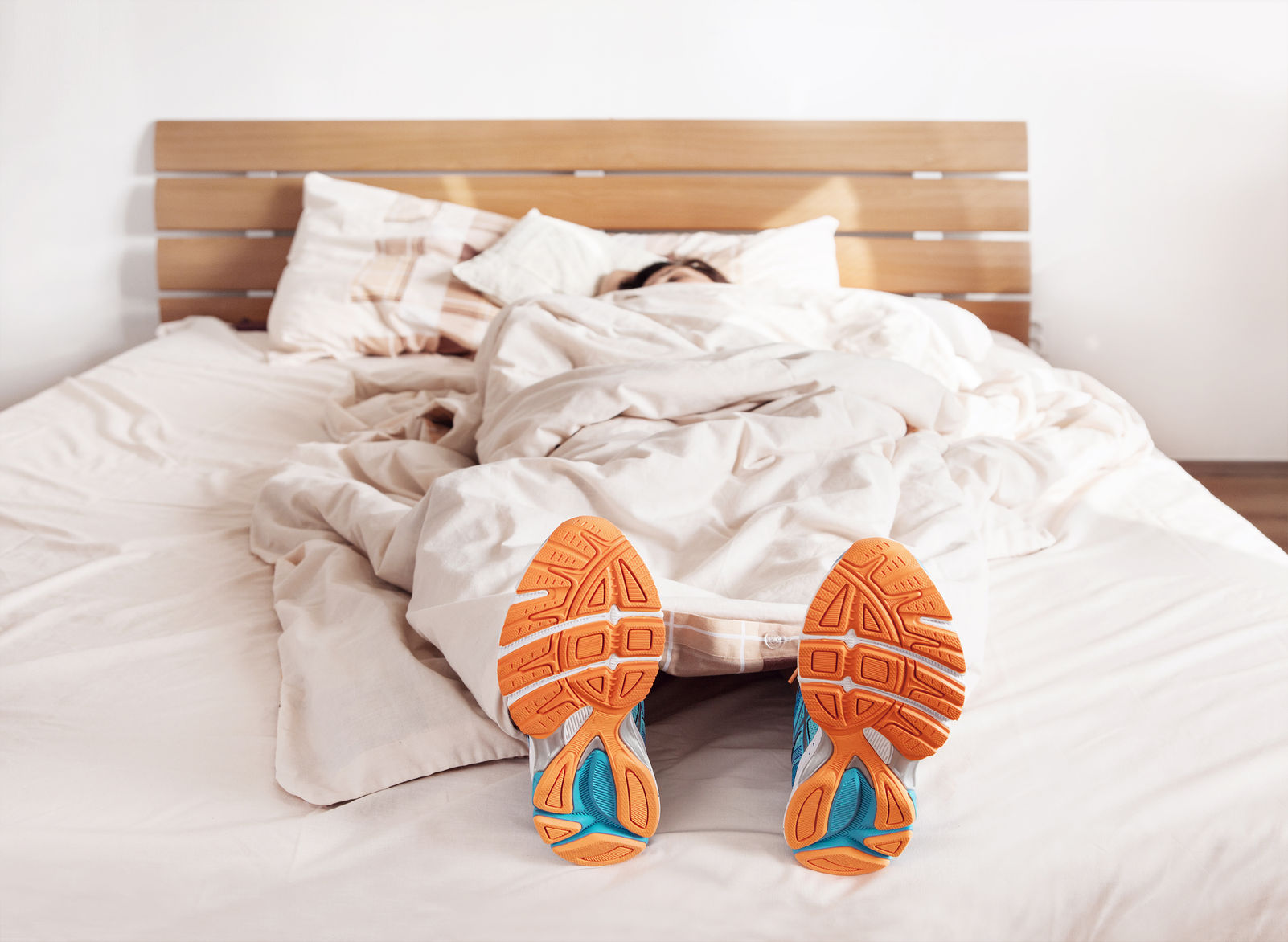
In 2006 the AIS (Australian Institute of Sport) developed a recovery centre specifically to research what type of treatments and modalities athletes can use to recover faster. The fact that the AIS are willing to invest time and money into discovering the “secrets” behind recovery, proves how important it must be in terms of an athletes overall ability to perform.
It is during recovery that your body adapts to the stresses of training. Your body doesn’t actually get stronger or faster during running. Running causes breakdown and fatigue. It is recovery, driven by the stimulus of running, that makes you a better athlete, so recovery is just as important as running, yet not many people spend any time planning their recovery.
Just like training, the amount and type of recovery you need varies a lot from person to person, but there are some aspects of recovery that we all have in common.
One interesting thing that the AIS have noted is that older athletes need more recovery time, especially if they have had a few injuries in the past. There isn’t yet any conclusive scientific evidence to back this up, but older athletes seems to find the physical demands of training harder, which is then thought to increase the amount of recovery time required.
Where does the AIS science stand with different devices/modalities for helping recovery?
- Ice baths – these are thought to be effective if done properly. “Properly”(according to the research) means you have to stand submerged to your neck in an ice bath. You can’t lie in the bath tub, and you can’t just have a cold shower for it to work.
- Compression Garments – There is a mounting body of scientific evidence to suggest that compression clothing might help to speed up recovery, but they have to be a medical grade custom fitted compression system.
- Massage – This hasn’t had a huge amount of research in terms of how much it helps recovery, but it is supported by the AIS as being useful.
- Electrical Muscle Stimulation – It isn’t used much in Australia, and despite some anecdotal evidence, it isn’t advocated by the AIS
- Foam Rollers – This has a mixture of positive and negative research results, but the AIS states that if an athletes “likes foam rolling” then they should incorporate it into their recovery strategy.
- Nutrition – There is a lot of evidence to support nutrition being beneficial for recovery.
NB: It is not unusual for scientific research in the medical world to produce results like these which are not black and white, or at least, don’t have a lot of practical application in the real world. What the AIS do agree however, is that if you find any of the above recovery strategies helpful, then you should definitely keep using them.
How can you “measure” your recovery?
There are a number of gadgets which are supposed to help measure recovery, but according to the AIS – “there is nothing better than an honest athlete, giving honest feedback”.
Heart Rate and Heart Rate Variability may both be useful as a means of measuring recovery, but they have not been found to be as reliable as good, honest feedback – or what I would call – “listening to your body”
How important is sleep?
Sleep is probably THE most important thing you can do to help your recovery.
Sleep is important for every biological function that you have. Over an 8 hour period of sleep, the first half is geared mostly towards your physical recovery, and the second half of sleep is more weighted towards your brain, or psychological recovery.
Sleep is when your body repairs and regenerates damaged tissue from the day’s workout and builds bone and muscle to be ready for the next workout. Distance runners especially need that sleep/repair time to make sure that muscles recover from training.
During the deeper stages of sleep, human growth hormone, (HGH) is released. HGH is a natural hormone produced by the pituitary gland and released into the bloodstream. HGH rebuilds damaged tissue and helps to build stronger muscles. It also helps convert fat to fuel, and it keeps our bones strong.
Too little sleep leads to an increase in cortisol. An increase in cortisol contributes to slower recovery times.
If you don’t get enough sleep, your body’s appetite signalling hormones [leptin and ghrelin] are affected. Less sleep leads to more ghrelin [which makes us hungry] and less leptin [which tells us we’re full]. Sleeping a full night regularly helps keep your hunger signals in check, and, when combined with exercise, helps to keep your weight down.
In todays high speed world, most people do not get enough sleep. This chronic sleep deprivation has a huge effect on the function of both your body and your brain. You may not even be aware that you are being affected. Studies have shown that athletes can have significant changes in certain tests and physiological functions, even though they subjectively report that they “feel fine”. This is because they have become so used to being sleep deprived that it has become “normal”.
Does napping help if you are sleep deprived?
In a nutshell – yes. As long as it doesn’t affect your usual sleep pattern.
For example, If you usually go to bed at 10pm and fall asleep, and you have a nap during the day and you can still fall asleep at 10pm, then your nap will have been helpful. But if napping means you are still awake at 12am, then your nap was either too long, or too late in the day. Generally speaking though, napping is a great way to top up any extra sleep that you may need.
What is the easiest thing you can do to enhance your recovery?
According to the AIS – “Go to bed half an hour earlier” – It is a simple thing to do, but it can make a huge difference to your overall recovery.
Think of it like this. If you can go to bed half an hour earlier every night, that is 3.5 hours extra sleep a week, which is the equivalent to another half nights sleep! This change alone will translate into better performance.