Transition to the trails – what do you need to know?

Mark Green
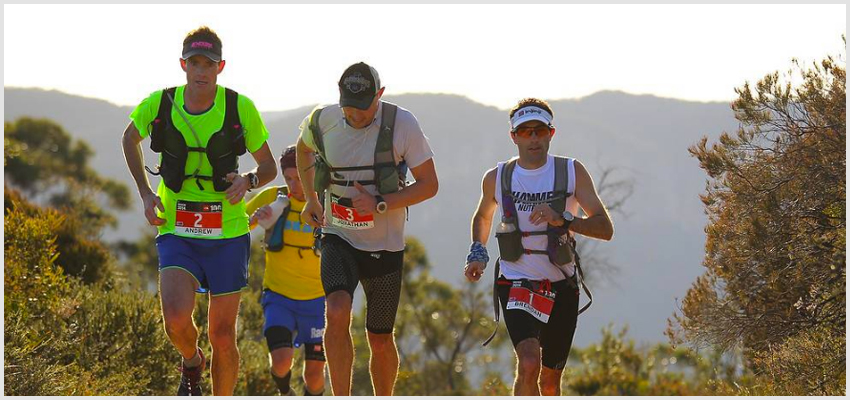
Are you toying with the idea of running trails for the first time, but wondering what you need to know?
- Do I need special shoes?
- Do I need to train differently?
- Will it be harder on my body?
- Where do I find some trails to run on?
Trail running is one of the fastest growing sports in the world, so it shouldn’t be too hard to find suitable training partners, or suitable events to take part in. There are a variety of distances to choose from in trail running, ranging from 5km right through to 100km events and also multi-day stage races.
Trail running is to runners what mountain biking is to cyclists. The events tend to be based more around enjoying the great outdoors, discovering new areas and the challenge of the event itself, rather than being overly competitive. If you have a bad day out on the trails, your fellow competitors are more likely to stop and offer you some encouragement and support rather than step over you in a hurry to get to the finish line.
Do I need special shoes?
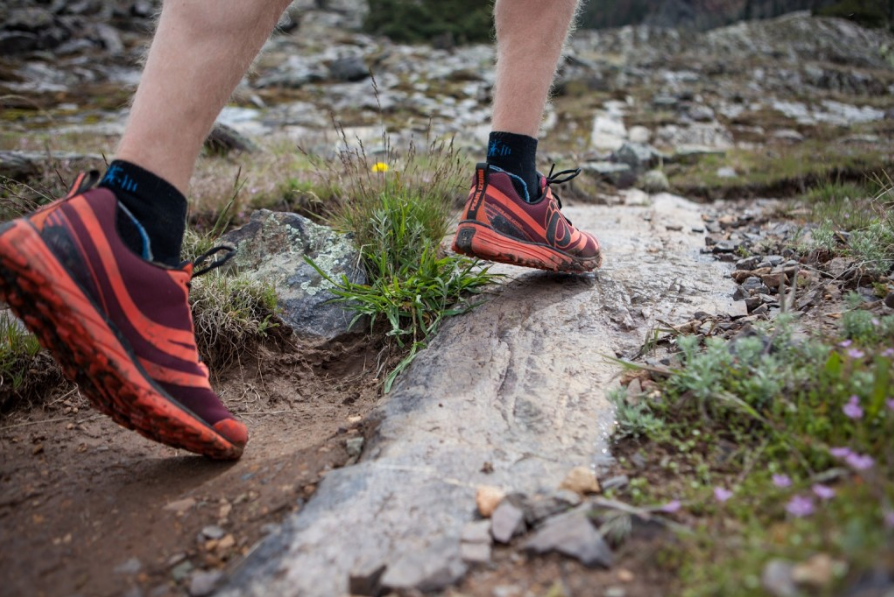
Trail shoes are not essential, especially initially. Your normal road-running shoes will suffice, but you will have to be a bit more careful not to slip over. The biggest difference in trail running shoes is the tread. They have a lot more grip/tread than road shoes, which allows you to maintain traction on less stable surfaces. Trail shoes also tend to have a more robust upper designed to cope with more lateral (sideways) movement that you will experience on the trails. Some trail shoe models also have a “rock plate” in the sole, which helps to protect your feet from all of the little rocks and stones that you stand on.
Most people end up purchasing trail-specific shoes once they have caught the bug, and decide that they will be doing enough trail running to make it worthwhile. When you’re ready to take this step look for a running shop who specialise in trail running – they should stock enough different models to make sure you find a suitable and comfortable shoe.
Do I need to train differently?
Training on trails will certainly help to make an event feel easier, but it isn’t essential. If you are fit enough to take part in a 10km road event, then you should reasonable easily cope with a 10km trail run. You might find the extra hills you are likely to encounter a bit more tiring, but it will still be achievable.
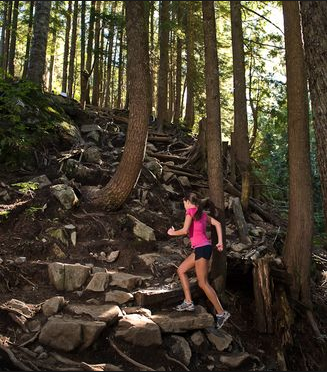
A lot of people find the extra concentration of watching where to place your feet quite exhausting. This is something that you will get used to with time and practice. Think of trail running as a specific skill. Practice makes perfect, so after a while your foot placement will become second nature.If you have entered an event then the nature of the terrain in that specific event needs to be taken into account when considering what training you need to do. A trail run in The Blue Mountains near Sydney called The 6Foot track, for example, is 45km long – so not much different in length to a standard marathon. It does, however, have 1500m of climbing and 1700m of descending, so if you are not used to running in the hills, then you are going to find it extremely tough.
If you want to enter into events with big hills, then you should train regularly on big hills – both up and down. Running downhills is actually a lot harder on your body (muscles and joints) than running up hills, so you need to get your body strong enough to cope by training appropriately.
Will it be harder on my body?
A lot of people seem to be reluctant to get into trail running because they think it will be “harder on my knees” or “harder on my joints”. This is not actually the case. Most running injuries are caused by repetition or “overuse”. Running on a flat section of road is a lot more repetitive than running on a trail, and therefore more likely to cause injuries.
When you are running on trails, your stride length, foot placement, and even cadence, will largely be dictated by the terrain. The more technical the trail, the more varied your stride pattern will be.
There are two aspects of trail running which may be harder for your body to cope with.
Ankles:
If you have a history of spraining your ankles, or if you have broken an ankle in the past, then the unstable terrain can be a bit daunting. Initially the risk can be minimised by wearing appropriate shoes and strapping (or bracing) your ankles. Longer term – a combination of specific strength and stability exercises, learning to run with good technique, and the confidence that comes with practice, can help even those with the dodgiest of ankles.
Downhill Running:
As stated earlier, a lot of trail running events tend to be over hilly or even mountainous terrain compared to road running. Running down hills is harder on your quads, knees, hips and lower back. This is because of the additional impact (the ground is further away) and also the braking effect (your quads do most of the work to slow your body down when you run down a hill). If you train on hilly terrain and gradually increase the volume of both uphill and downhill training, then your quads and joints will get strong enough to cope. If you take a lot of short steps, as opposed to long loping strides, then you will minimise the extra impact and again, your body will cope a lot better.